Beagle guide
The Beagle Dog Breed: Temperament, Size, Care and History
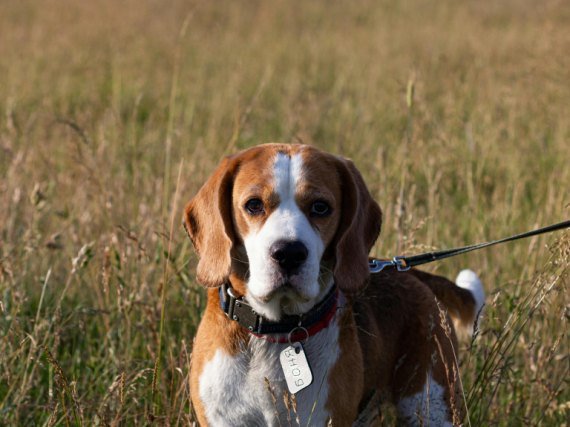
The beagle is a small to medium-sized scent hound, originally bred in England to hunt rabbits and hares in packs. Today it is one of America's favorite family dogs: cheerful, gentle with children, sturdy, easy to groom and small enough for most homes. Beagles are also stubborn, vocal and food-obsessed, and their nose rules their life. This guide covers everything you need to know before bringing one home.
Beagle breed at a glance
| Trait | Beagle |
|---|---|
| Breed group | Hound (scent hound) |
| Height | Up to 13 inches, or 13 to 15 inches at the shoulder |
| Weight | Under 20 lb (13-inch); about 20 to 30 lb (15-inch) |
| Lifespan | Usually 12 to 15 years |
| Coat | Short, dense, weather-resistant |
| Colors | Any true hound color: tricolor, lemon, red and white and more |
| Temperament | Merry, friendly, curious, determined |
| Good with kids | Yes, famously |
| Exercise | At least an hour a day, plus sniffing time |
| Shedding | Moderate, more in spring and fall |
Beagle temperament
Breed standards describe the beagle as "merry", and anyone who has lived with one agrees. Beagles were bred to work in packs, so they love company — human or canine — and are rarely aggressive. That pack heritage is why they are so good with children and other dogs, and also why they hate being left alone for long periods.
The other half of the beagle personality is the nose. A beagle has one of the best senses of smell of any breed; the US Department of Agriculture even uses beagles in its "Beagle Brigade" to sniff out banned food at airports. Once a beagle finds an interesting scent, everything else — including you calling their name — can fade into the background. This is not disobedience so much as what they were bred for, and it shapes almost everything about living with one:
- Recall is hard. Most beagles should never be off-leash outside a fenced area.
- They find food. Counters, trash cans, backpacks and kitchen cabinets need beagle-proofing.
- They are vocal. Beagles bark, howl and "bay" — a distinctive, musical hound cry — especially when bored or on a scent.
- They are clever but independent. They learn quickly when food is involved and lose interest quickly when it isn't. Our beagle training guide shows how to work with that.
13-inch vs. 15-inch beagles
The American Kennel Club recognizes two beagle varieties by height at the shoulder:
- 13-inch beagles stand 13 inches or under and usually weigh less than 20 pounds.
- 15-inch beagles stand over 13 and up to 15 inches and usually weigh 20 to 30 pounds.
They are the same breed with the same personality; the difference is only size. A 13-inch beagle suits smaller homes and apartments, while a 15-inch beagle is a little sturdier for active families and hiking. Puppy size can be estimated from the parents, which is why every Beagle Brook puppy page lists both. If you've seen "pocket" or "mini" beagles advertised, read our guide to pocket beagles first.
Are beagles good family dogs?
For most families, yes. Beagles are playful without being overwhelming, sturdy enough for gentle play with children, and rarely possessive or snappy. They usually get on well with other dogs. Cats can work too, especially when the beagle grows up with them, although some beagles chase small animals outdoors.
A beagle may not suit you if you're away from home for most of the day, live somewhere a howling dog would bother close neighbors, or want a dog that will walk off-leash. We talk through this honestly with every family; see are beagles good family dogs? for more.
Exercise and space
Beagles are energetic hounds that need at least an hour of activity a day: brisk walks, play in a fenced yard and, ideally, time to sniff. Sniffing is mental exercise for a beagle; a slow, nose-down walk tires them out more than a fast jog. A bored beagle digs, chews and howls.
A securely fenced yard is a big plus, but beagles can be happy in apartments with enough walks. Check fences carefully: beagles dig under and squeeze through gaps when they smell something worth chasing.
Grooming
The beagle's short, dense coat is easy to care for:
- brush once a week with a rubber curry brush or hound mitt (more in shedding season)
- bathe every month or two, or when they've rolled in something
- check and clean their long, floppy ears every week — they trap moisture and are prone to infections
- trim nails every few weeks and brush teeth several times a week
Read more in do beagles shed?
Beagle health
Beagles are generally a healthy, hardy breed with a lifespan of 12 to 15 years. Conditions seen in the breed include:
- obesity, the most common and most preventable problem — see best dog food for beagles
- ear infections, because of those long ears
- intervertebral disc disease (IVDD), a back problem seen in several short-legged breeds
- hip dysplasia, hypothyroidism and epilepsy
- eye conditions such as cherry eye, glaucoma and distichiasis
- genetic conditions with DNA tests available, such as Musladin-Lueke syndrome (MLS), Factor VII deficiency, neonatal cerebellar cortical degeneration (NCCD) and Imerslund-Gräsbeck syndrome (IGS)
Responsible breeders health-check their adult dogs and can tell you exactly what testing the parents have had. Ours are listed on our beagles page. See also how long do beagles live?
A short history of the beagle
Small hounds that hunted hare by scent were kept in England for centuries. Queen Elizabeth I famously kept tiny "glove beagles" small enough to sit in a gloved hand. The modern beagle took shape in the 19th century, when English breeders developed packs of steady, even-sized rabbit hounds with excellent noses. Beagles came to the United States in the second half of the 1800s, and the American Kennel Club recognized the breed in 1885. They have been one of America's most popular breeds ever since — and the world's most famous beagle, Snoopy, has kept them in the spotlight since 1950. Read more in famous beagles.
Nobody is certain where the name comes from. Popular theories trace it to the French begueule ("open throat", for their baying voice), or to old words meaning "small".
Beagle colors
The breed standard allows "any true hound color". The classic beagle is a tricolor — black saddle, tan head and legs, white chest, legs and tail tip — but beagles also come in lemon and white, red and white, tan and white, chocolate tricolor, blue tricolor and ticked patterns such as "bluetick". See our beagle colors guide and our page on lemon beagles.
Is a beagle right for you?
A beagle is a wonderful choice if you want a friendly, sturdy, low-grooming dog that loves children, company and outdoor walks — and if you can live with a strong nose, a loud voice and a dog who will always ask for food. If that sounds like your family, browse our beagle puppies for sale or join our waitlist.
Questions
Are beagles easy to train?
Beagles are smart and very food-motivated, so they learn basic commands quickly with treats and short sessions. Their independence and nose make reliable recall and quiet behavior harder, so training takes patience and consistency.
Do beagles bark a lot?
Beagles are vocal. They bark, howl and bay, especially when bored, lonely or excited by a scent. Exercise, company and training help a lot, but a beagle will never be a silent dog.
How big do beagles get?
Adult beagles stand up to 15 inches tall at the shoulder. 13-inch beagles usually weigh under 20 pounds; 15-inch beagles about 20 to 30 pounds.
Can beagles be left alone?
Beagles are pack dogs and dislike long periods alone. Most adult beagles cope with a few hours, especially after exercise and with a food puzzle to work on. Puppies need much more company.
Are beagles hypoallergenic?
No. Beagles shed a moderate amount all year, so they are not a good choice for people with dog allergies.